
Is Your Roof Ready for El Niño? A San Diego Homeowner’s Guide to Roof and Solar Storm Preparation
Published by Preman Roofing-Solar | San Diego, California
San Diego homeowners are accustomed to sunshine, dry summers, and relatively mild winters. But when a season of repeated storms arrives, even a roof that appears to be in good condition can develop problems.
As forecasts point toward a potentially strong El Niño during the 2026–2027 winter, property owners throughout San Diego County should consider preparing their roofs before heavy rain arrives. The National Oceanic and Atmospheric Administration (NOAA) and other forecasting organizations continue to monitor the developing climate pattern. Although El Niño does not guarantee a specific amount of rainfall for San Diego, it is a good reason to review your property’s readiness for the wet season.
For homeowners with solar panels, there is another important consideration: your roofing system and solar installation work together to protect your home and generate energy. Preparing for storm season means paying attention to both.
At Preman Roofing-Solar, we have served the San Diego community since 1999, helping homeowners and commercial property owners maintain, repair, and replace their roofing systems.
In this guide, we explain what El Niño could mean for San Diego roofs, which areas deserve attention before the next storm, how solar installations factor into storm preparation, and when to schedule a professional inspection.
What Does El Niño Mean for San Diego Homeowners?
El Niño is a recurring climate pattern associated with warmer-than-average sea surface temperatures in the central and eastern tropical Pacific Ocean. It influences atmospheric circulation and can change the likelihood of certain weather patterns around the world.
In Southern California, El Niño has historically been associated with an increased chance of wetter winters. However, every event is different. Some El Niño winters bring significant rainfall, while others produce less dramatic effects in individual communities.
For San Diego property owners, the important question isn’t simply whether El Niño will be strong. It is whether your property is prepared to handle repeated rainfall, changing weather conditions, and potential drainage problems.
A roof that performs adequately during occasional showers may reveal weaknesses during a prolonged wet season. Small gaps around flashing, deteriorated roofing materials, clogged drains, and aging waterproofing components can become more noticeable when rain returns repeatedly.
The best time to address these concerns is before a leak develops—not after water has already entered your home.
How Can Heavy Rain Damage a Roof?
A properly installed and maintained roofing system is designed to manage water and direct it away from the building. Over time, however, exposure to sunlight, temperature changes, debris, and normal wear can affect its performance.
Here are several areas worth checking before San Diego’s rainy season.
1. Flashing Around Vents, Skylights, and Roof Penetrations
Flashing helps direct water away from vulnerable transitions and openings in the roof. These areas may include plumbing vents, skylights, chimneys, walls, and other penetrations.
When flashing becomes loose, damaged, or improperly sealed, water can find its way beneath the roofing materials.
During a roof inspection, these transitions deserve particular attention because a leak may originate far from the ceiling stain that eventually appears inside the house.
2. Aging Underlayment Beneath Roof Tiles
Many San Diego homes have concrete or clay tile roofs. Although the visible tiles provide an important protective layer, the underlayment beneath them plays a critical role in managing water.
Underlayment can deteriorate over time due to age, heat, and environmental exposure. A tile roof may look attractive from the street while concealed components underneath require maintenance or replacement.
If your tile roof is aging or has not been professionally evaluated in several years, consider having its condition assessed before the rainy season.
3. Shingles, Cracked Tiles, and Loose Roofing Materials
Missing shingles, cracked tiles, displaced roofing materials, and damaged ridge components can create pathways for water intrusion.
Homeowners should pay attention to visible changes following high winds or other severe weather. Avoid walking on the roof yourself, as doing so can be dangerous and may damage certain roofing materials.
A qualified roofing professional can assess the condition of the roof and determine whether localized repairs or more extensive work may be appropriate.
4. Gutters, Roof Drains, and Drainage Systems
A roof needs a reliable way to move water off its surface and away from the building.
Leaves, dirt, branches, and other debris can restrict drainage. When water cannot drain as intended, it may overflow into unwanted areas or contribute to water intrusion and deterioration around roof edges.
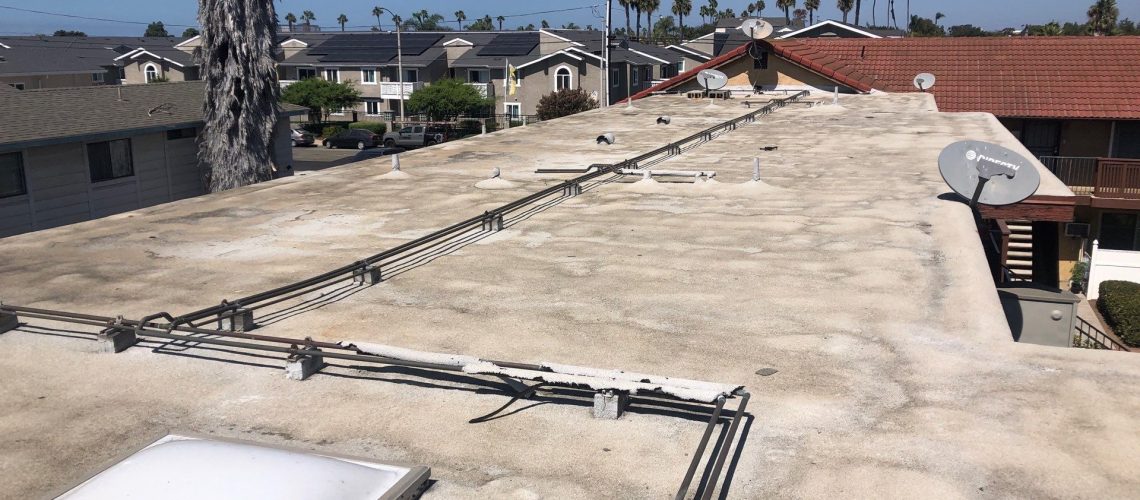
Flat and low-slope roofing systems require particular attention to drains, scuppers, and drainage pathways. Areas where water remains standing for extended periods should be evaluated by a roofing professional.
Keeping drainage systems clear is one of the practical steps property owners can take to reduce preventable storm-related problems.
5. Roof-to-Wall Transitions and Edge Details
Roof intersections, parapet walls, coping, fascia, and other edge details can be vulnerable to water intrusion if components are damaged or improperly maintained.
These areas are especially important on commercial buildings and multifamily properties, where a single roofing issue can affect multiple occupants or interior spaces.
A comprehensive inspection should consider how water moves across the entire roofing system, not just the condition of the primary roofing material.
What Should You Check Before El Niño Season?
You do not need to climb onto your roof to begin preparing. A few simple observations from safe locations around your property can help you identify concerns that warrant professional attention.
Use this checklist as a starting point:
-
Look for ceiling stains, peeling paint, or signs of moisture inside the home.
-
Check ceilings and accessible attic areas for visible water damage or unusual dampness.
-
Look for visibly cracked, missing, or displaced roofing materials from the ground.
-
Check gutters and downspouts for visible debris or drainage obstructions.
-
Review any history of roof leaks or previous repair work.
-
Look for visible signs of water collecting near the foundation or overflowing drainage areas.
-
If you have solar panels, review any known roofing or solar service issues.
-
Schedule a professional roof inspection if your roof is aging, has a history of leaks, or has not been inspected recently.
These observations cannot replace a professional roof inspection, but they can help you recognize when further evaluation is appropriate.
Do Solar Panels Affect Roof Performance During Heavy Rain?
Solar panels are designed for outdoor exposure, but the roof beneath them remains an important part of your home’s weather protection.
A solar installation includes mounting hardware, electrical connections, wiring, and other components that must be installed appropriately for the particular roofing system. The condition of the roof itself also matters.
If you have solar panels installed on your home, consider the following before the rainy season.
Inspect the Roof Around the Solar Installation
Roofing issues may occur around mounting points, penetrations, flashing, or transitions, depending on the system and installation method.
This does not mean solar panels inherently cause roof leaks. A properly designed and installed system should account for the roof assembly and water management requirements.
However, if you notice a ceiling stain beneath a solar-equipped roof, unexplained moisture, or signs of a leak near the solar installation, have the issue evaluated to determine its source.
Understand the Relationship Between Roofing and Solar Equipment
Solar panels and their associated electrical equipment serve different functions from the roofing materials beneath them.
A roof leak may require roofing diagnostics, while an inverter error, communications issue, or production interruption may require solar-system troubleshooting. Sometimes a concern may involve more than one component.
Identifying the actual source of a problem is important before deciding what repairs are needed.
Do Not Attempt to Repair Solar Equipment Yourself
Homeowners should not climb onto a roof to inspect solar mounting hardware, disconnect electrical equipment, or attempt repairs on energized solar components.
If you experience an electrical fault, damaged wiring, visible storm damage, or another potentially hazardous condition, keep clear of the affected area and contact an appropriately qualified professional.
For general solar performance concerns, review your monitoring system and contact your solar service provider if the system reports an error or production changes unexpectedly.
Consider a Roof Inspection Before Planning Solar Work
If you are considering installing solar panels or replacing an existing roof, evaluate the roof’s condition as part of the planning process.
Replacing an aging roof before a new solar installation may help avoid the expense and disruption of having to address roofing work later. The appropriate approach depends on the roof’s condition, the existing solar equipment, and the scope of the proposed project.
Learn more about Preman Roofing-Solar’s solar roofing process and how solar roofing works.
Why Commercial and HOA Properties Need a Storm Preparation Plan
For commercial buildings, condominium communities, and homeowners associations, roof maintenance can involve more than a single building or isolated repair.
Large properties may have multiple roofing systems, drainage configurations, rooftop equipment, and areas with different maintenance histories. Coordinating inspections before a period of heavy rainfall can help property managers prioritize repairs and document existing conditions.
Before the rainy season, property managers should consider:
- Roof condition: Identify aging systems, previous leak locations, and areas requiring further evaluation.
- Drainage performance: Review roof drains, scuppers, gutters, and other drainage components.
- Building-by-building documentation: Maintain photographs and inspection records for each structure.
- Interior protection: Document existing water stains or damage and monitor areas with a history of leaks.
- Repair prioritization: Address urgent defects first and plan additional maintenance according to the inspection findings.
- Service coordination: Establish a process for reporting leaks and responding to problems when storms occur.
For multifamily properties, early preparation can also help boards and property managers plan budgets, communicate with residents, and reduce the need for rushed decisions during a storm.
Preman Roofing-Solar provides roofing services for residential and commercial properties throughout the San Diego area. Explore our commercial roofing services or contact our team to discuss your property’s roofing needs.
When Should You Schedule a Roof Inspection?
There is no need to wait for an official storm warning to assess your roof.
If your roof has a history of leaks, is approaching the end of its expected service life, or has visible signs of damage, scheduling an inspection ahead of the rainy season gives you more time to understand the condition of the system and consider your options.
An inspection may identify a need for a minor repair, additional monitoring, maintenance, or a more comprehensive roofing project. The appropriate recommendation depends on the actual findings.
Keep in mind that an inspection does not guarantee that a roof will never leak. Severe weather can create conditions that even properly maintained buildings must withstand. The objective is to identify known vulnerabilities and address preventable problems before they cause additional damage.
If you already have an active leak, do not wait for the next storm. Contact a roofing professional to evaluate the issue and determine the appropriate next steps.
Frequently Asked Questions About El Niño, Roofs, and Solar Panels
Will El Niño definitely cause more rain in San Diego?
No. El Niño can increase the likelihood of wetter conditions in Southern California, but it does not guarantee a specific rainfall total or storm pattern for San Diego. Seasonal outlooks describe probabilities rather than exact local weather outcomes.
How can I tell if my roof is ready for heavy rain?
Visible damage, a history of leaks, deteriorated roofing materials, and drainage concerns may indicate that your roof needs attention. A professional inspection is the best way to evaluate concealed components and determine whether repairs or maintenance are recommended.
Do tile roofs need to be inspected before the rainy season?
Tile roofs can benefit from periodic inspections, particularly as they age. Individual tiles may crack or move, while underlayment and flashing beneath the visible surface can deteriorate. The condition of the entire roofing assembly matters.
Can solar panels cause a roof leak?
Solar panels do not inherently cause roof leaks. However, installation details, mounting points, flashing, existing roof deterioration, and other conditions can contribute to water intrusion. A qualified professional should evaluate the source of any suspected leak rather than assuming the panels or roof are automatically responsible.
Should I turn off my solar system before a major storm?
Do not assume that shutting down your solar system is necessary for every storm. Follow the manufacturer’s operating instructions and any applicable guidance from your solar provider. If you notice damaged equipment, exposed wiring, or an electrical hazard, stay clear and contact a qualified professional.
What should I do if my roof starts leaking during a storm?
Keep people away from unsafe areas, protect belongings if it is safe to do so, and contact a roofing professional. Do not climb onto a wet roof or attempt repairs during severe weather. If water is near electrical equipment, avoid the area and seek appropriate emergency assistance.
Can a roof inspection help prevent expensive repairs?
An inspection can identify existing defects and maintenance needs before they develop into more extensive problems. While no inspection can eliminate every risk, identifying and addressing known issues early may help reduce avoidable damage and emergency repair costs.
Does Preman Roofing-Solar work on both roofing and solar projects?
Preman Roofing-Solar provides residential and commercial roofing services as well as solar installation services in the San Diego area. The appropriate service depends on your property, the condition of the roof, and the nature of the solar-related concern.
Prepare Your Roof Before the Next San Diego Storm
El Niño does not mean your roof is destined to fail. It is a reminder that seasonal weather can change, and that the condition of your roofing system matters when rainfall becomes more persistent.
Whether you own a home with solar panels, manage a commercial building, or oversee a multifamily community, taking time to evaluate your roof before the rainy season can help you make informed maintenance and repair decisions.
At Preman Roofing-Solar, we have served San Diego property owners since 1999, providing roofing solutions designed around the needs of each property.
If you have concerns about your roof, are experiencing a leak, or want to discuss roofing or solar work before the rainy season, contact our team.
Schedule your roofing consultation with Preman Roofing-Solar today.
Call (619) 276-1700 or visit Preman Roofing-Solar to request an estimate.